All welcome
Whether you're completely new to tai chi or already have years of experience, you're welcome. The form unfolds at everyone's own pace — there is nothing to keep up with.
Slow movement, quiet focus, open air. We meet outdoors in Luxembourg to practice original Yang style tai chi together — free, informal, and open to everyone.
Whether you're completely new to tai chi or already have years of experience, you're welcome. The form unfolds at everyone's own pace — there is nothing to keep up with.
No sign-up, no fees, no commitment. Just bring yourself and comfortable clothes you can move in. Come once, or come every time.
The group follows the original Yang style of tai chi chuan — slow, continuous movement built around balance, structure and breath.
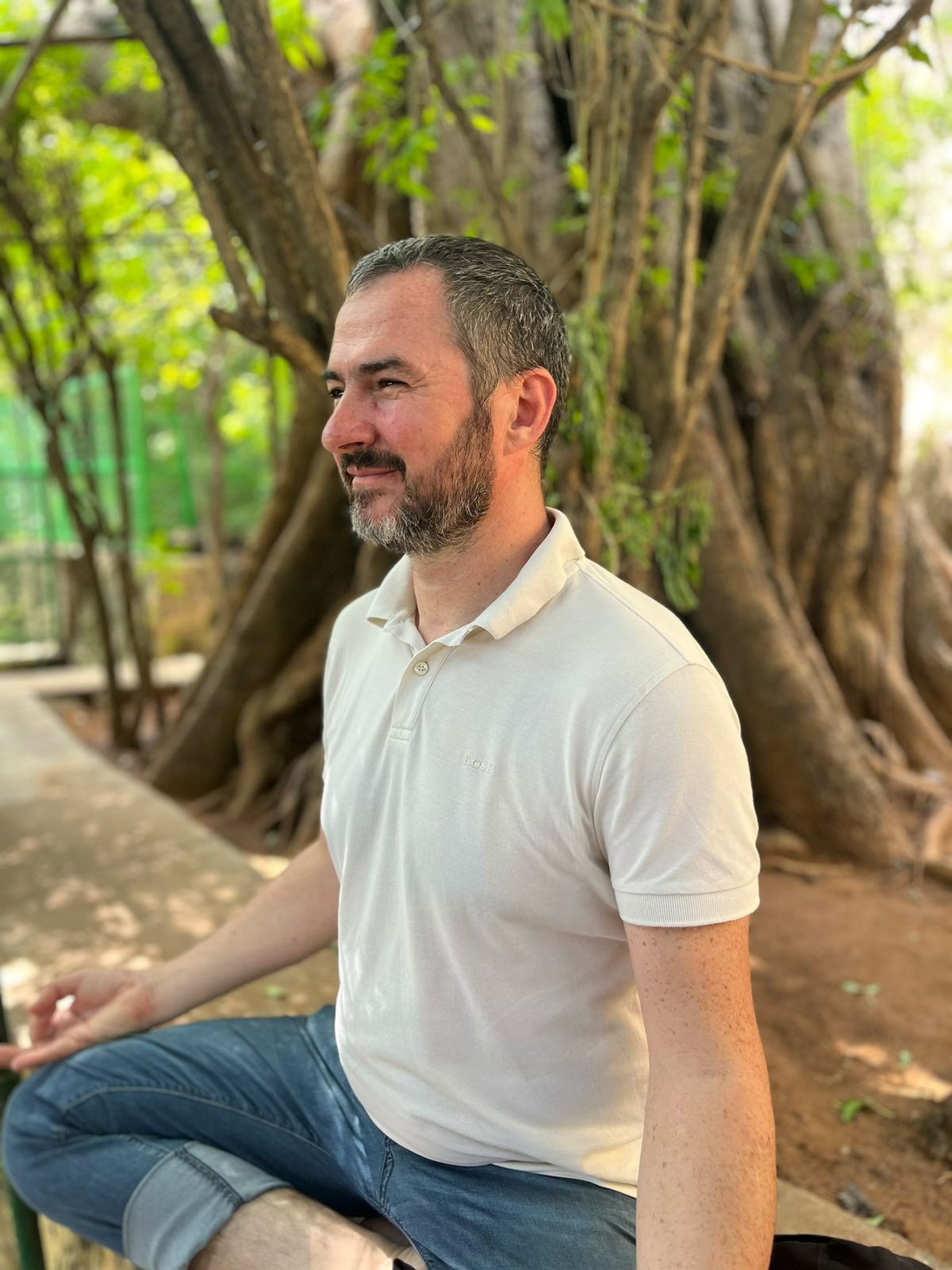
I've practiced original Yang style tai chi for 25 years in an ITCCA-accredited school, and I'd like to share the joy of practicing outdoors with others.
Tai chi has been part of my daily life for a long time. What keeps me coming back is simple: when practiced regularly, it does wonders for health, vitality, and overall well-being. Organizing these free group sessions is, in a way, my way of saying thank you for the benefits tai chi has brought into my life, by sharing the practice and passing it on to others.
We move through the form together, repeat what needs repeating, and help each other along the way. The rhythm of the group carries you, and the open air gives the practice a space no studio can.
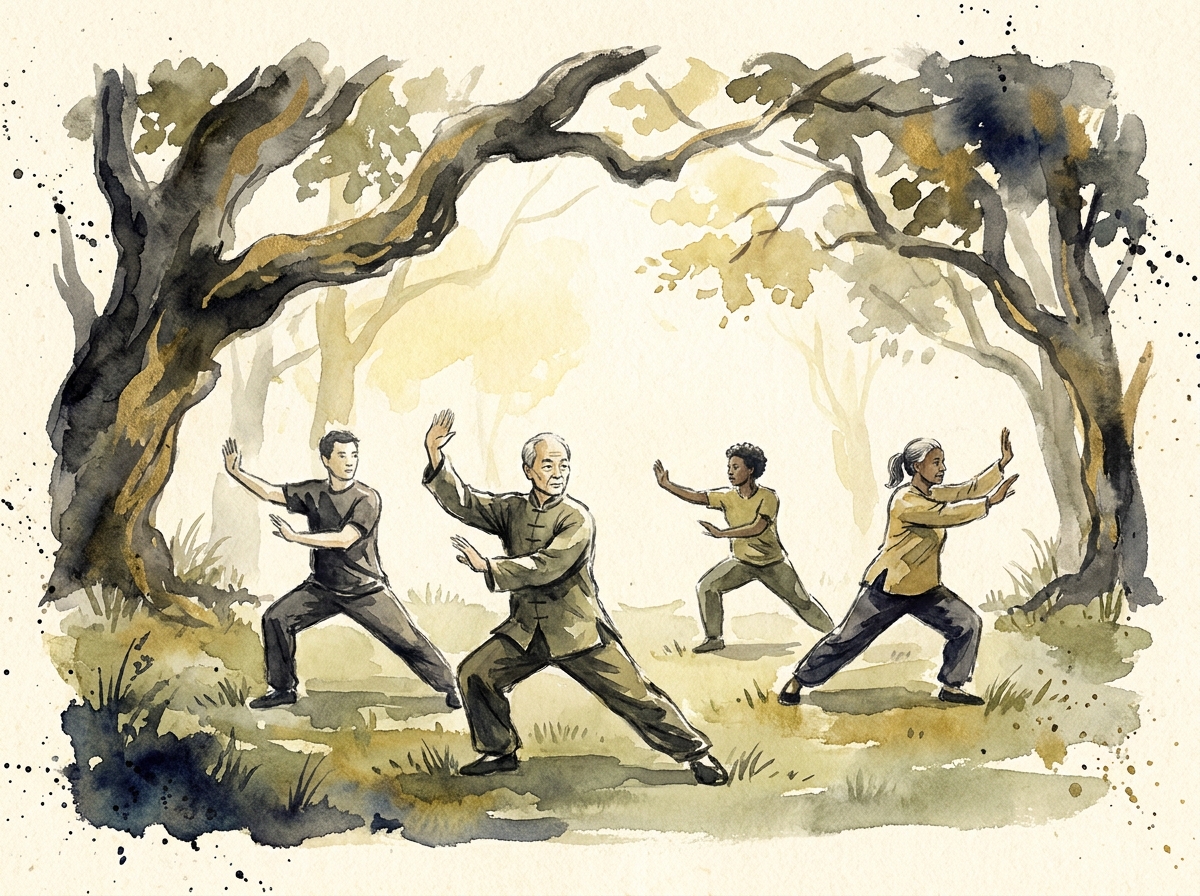
Tai chi chuan is sometimes called meditation in motion — a sequence of slow, flowing movements that settles the mind while gently working the whole body.
The Yang style is the most widely practiced family style of tai chi chuan, developed by the Yang family in 19th-century China. The original Yang style refers to the form as it was passed down within the family — preserved and taught today through the ITCCA (International Tai Chi Chuan Association).
Practiced slowly and continuously, the form develops balance, relaxed strength and calm attention. It asks for no special fitness, no equipment, and no particular age — only patience and a bit of curiosity.
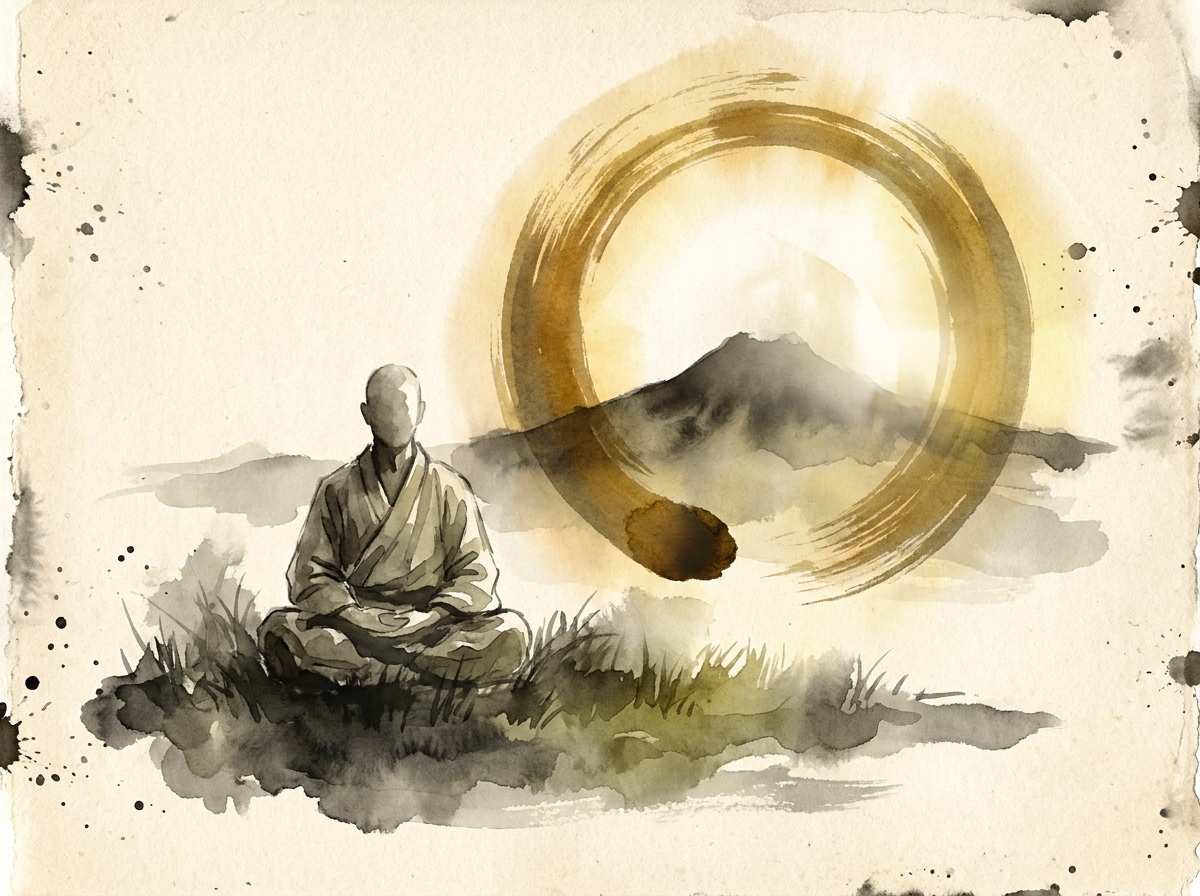
Vedantic meditation is about you, your normal, ordinary self. That part that is the background for this colourful experience of forms we call life. It is you who is there before waking up in the morning. The same you as when you were 4 years old. The intention is to relax in one's true nature, ever-present and unchanging. It is not even remotely close to the dreamy, fluffy, fantasy-like experience some meditation teachers speak about. No need to create anything, nor to attain something new.
I have been practicing Vedantic meditation for almost 30 years, and in 1998 I had my first awakening experience. Alongside the tai chi sessions, it is an important part of my practice.
Tradition-wise, Advaita Vedanta is said to date back to 800 years before Christ. Close to my heart are the teachings of Ramana Maharshi and of Ganga Maa, presently living in Tiruvannamalai. A condensed version of the practice was brought to the West by Charles Berner in 1968, who called it the Enlightenment Intensive.
If this speaks to you, ask me about it at a practice session — or simply get in touch.